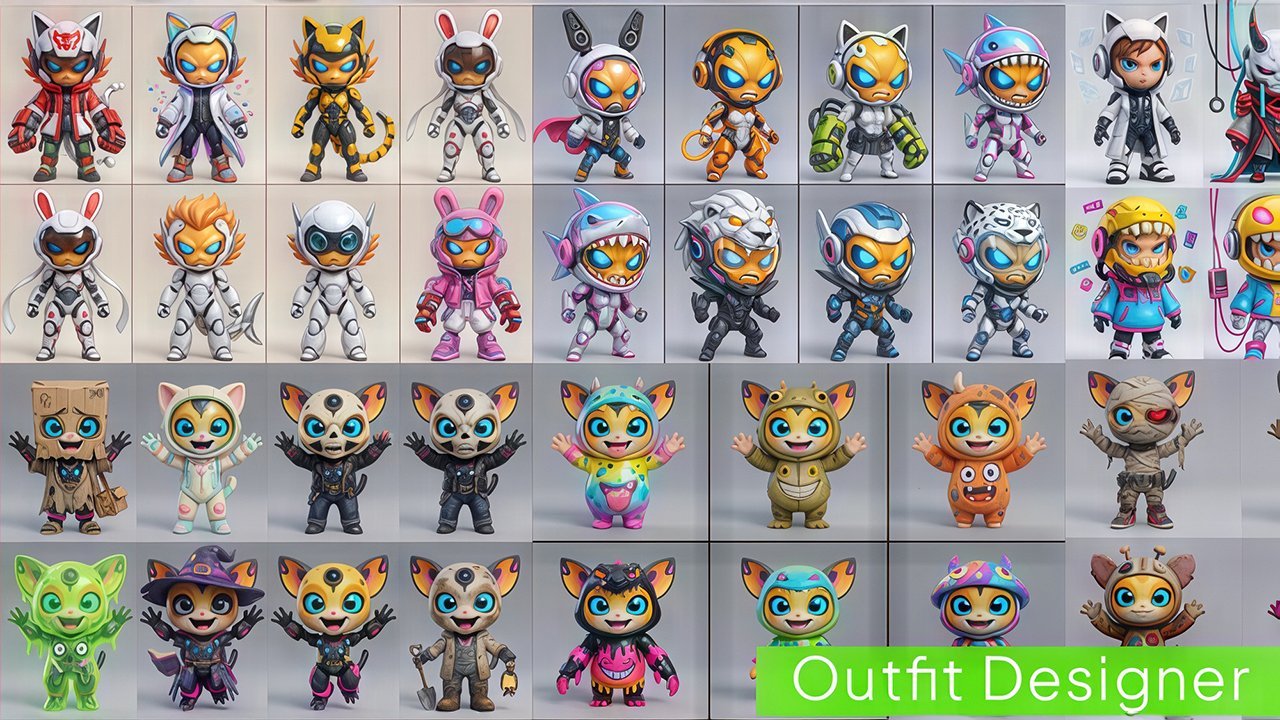
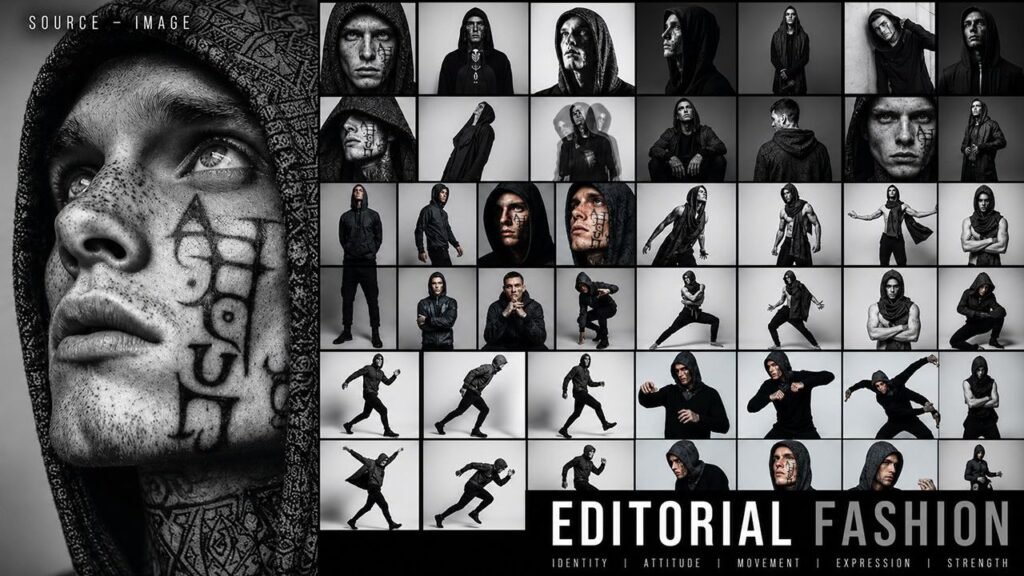
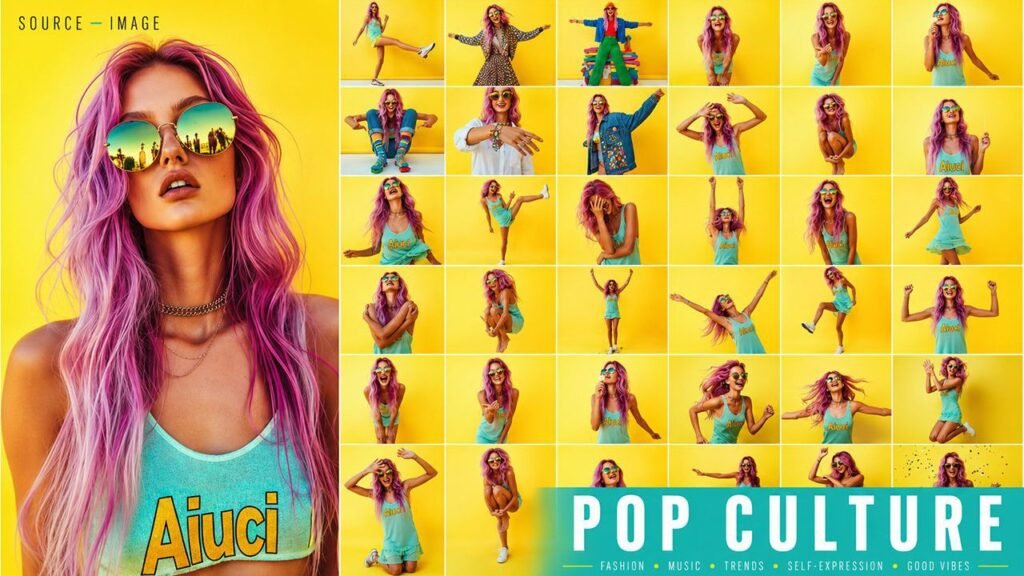
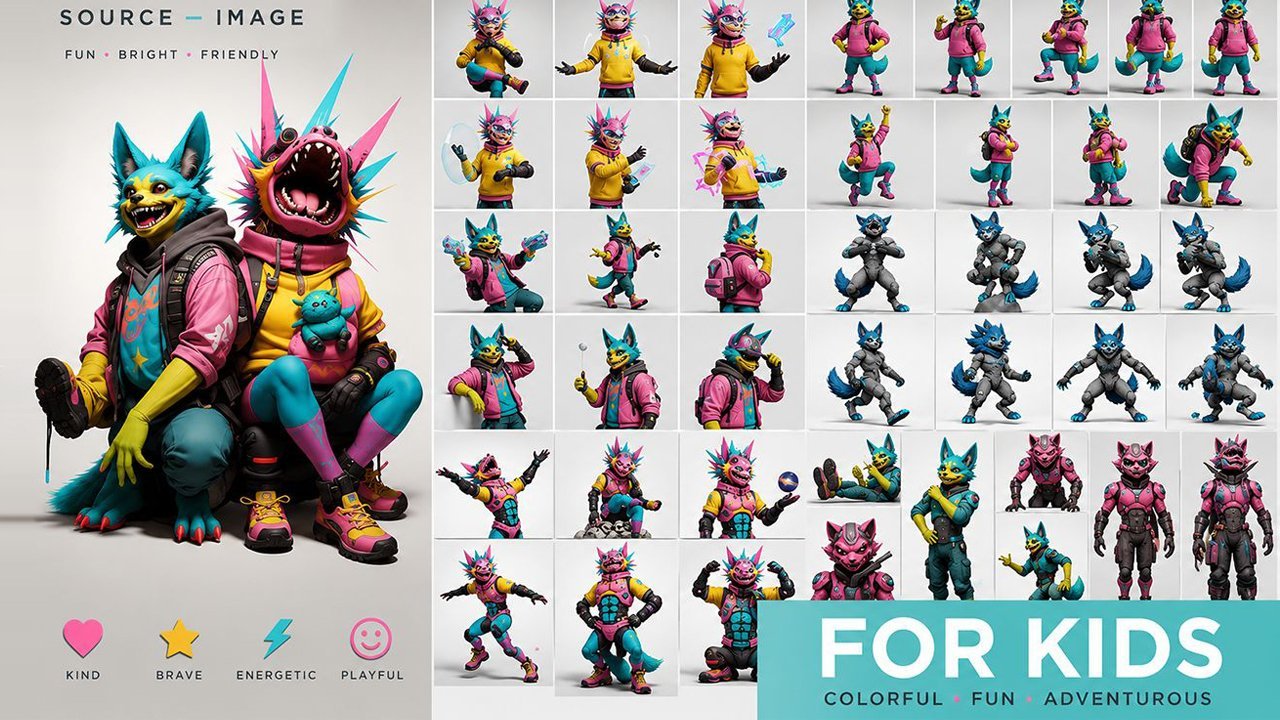
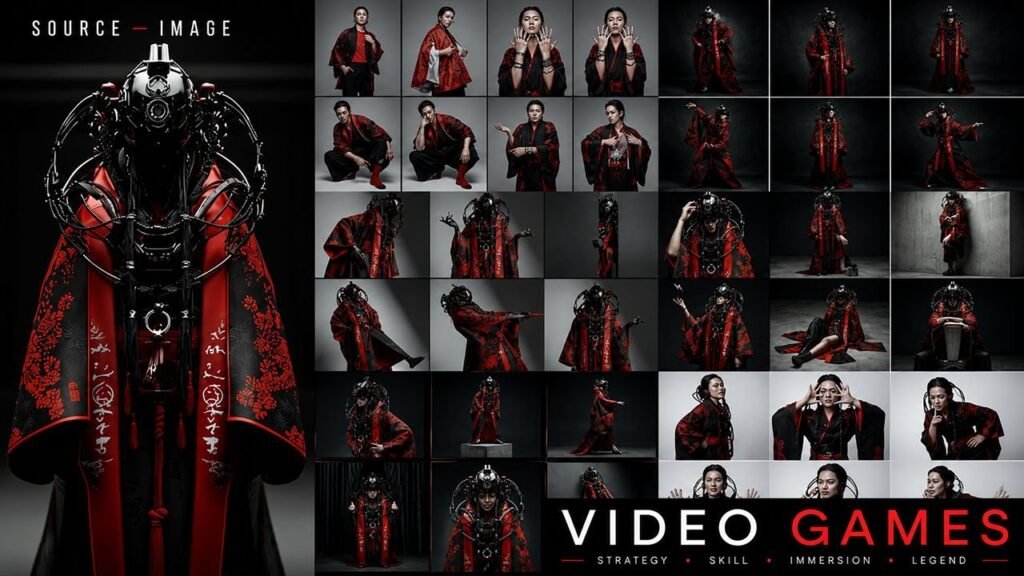
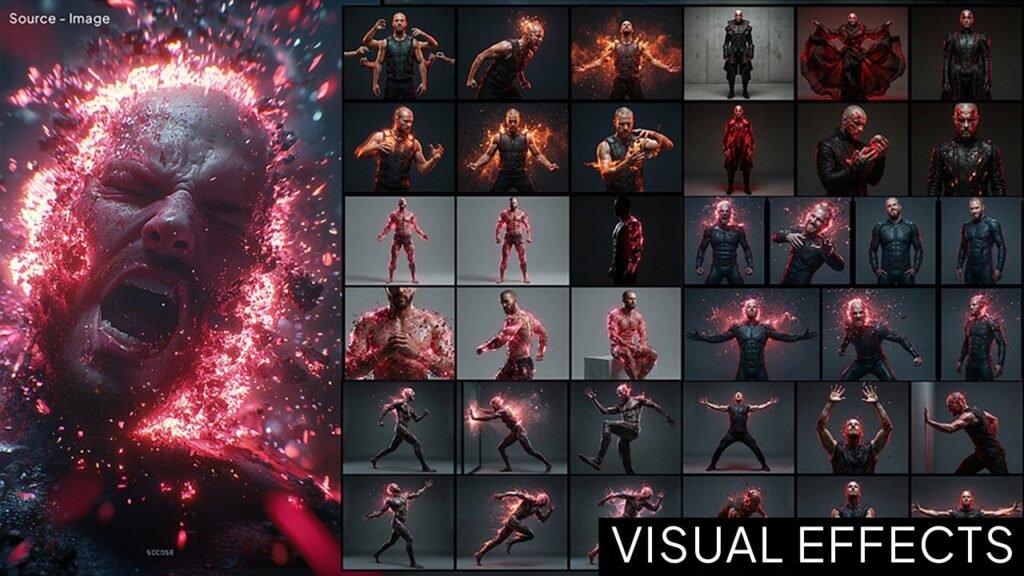
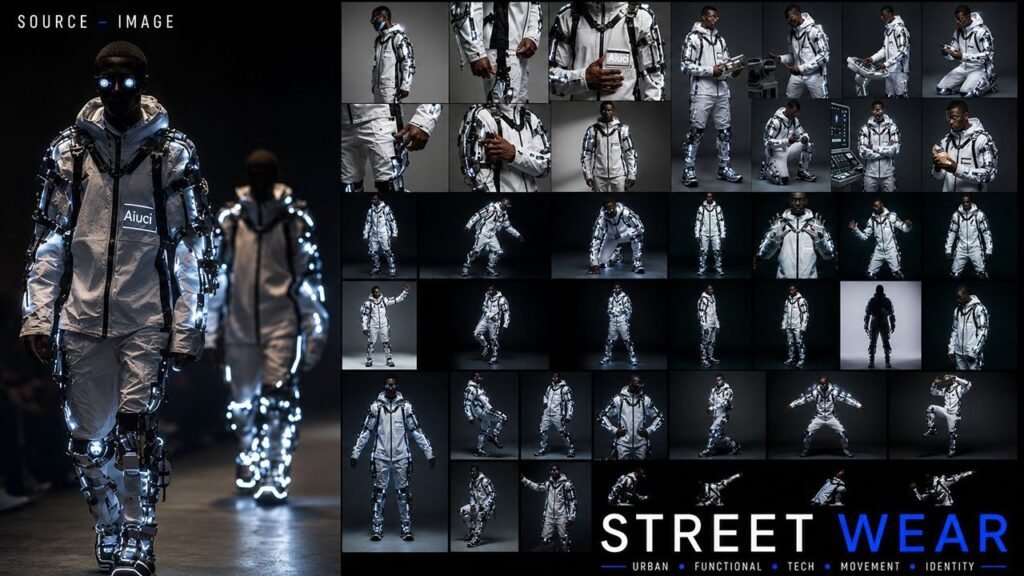
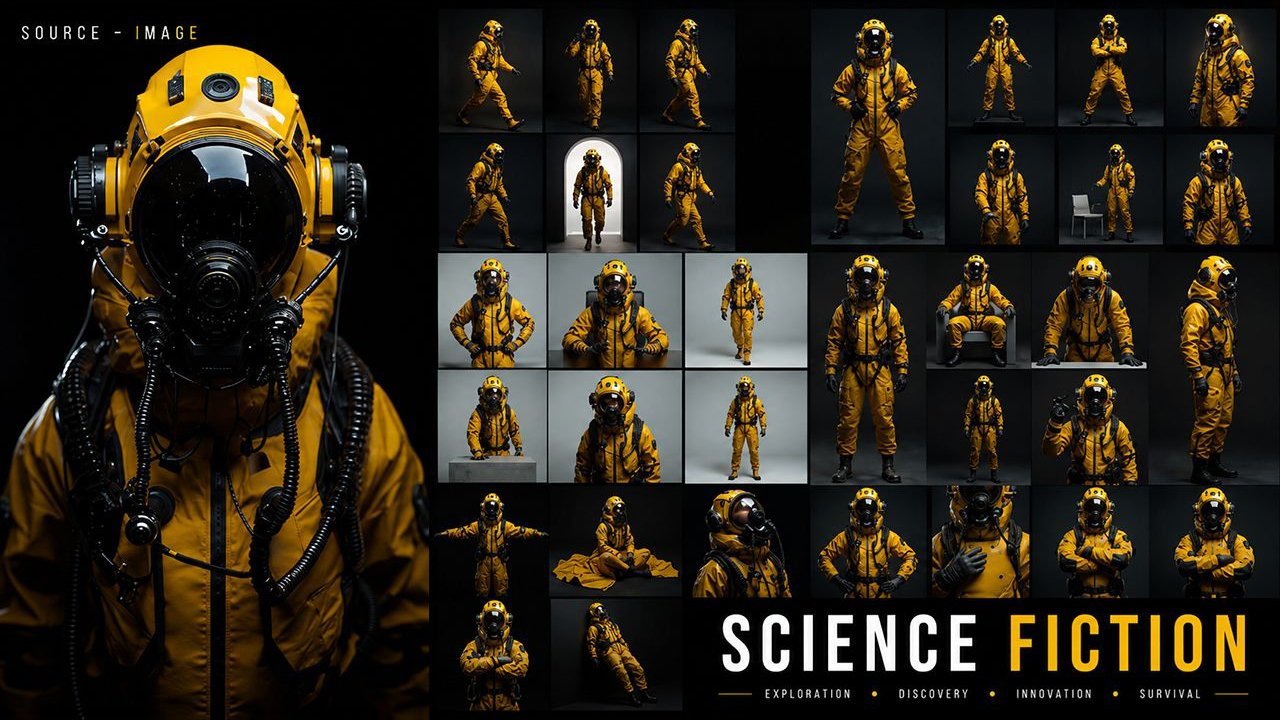
From one character to too many good takes.
Most AI workflows end the same way. You prompt. You wait. You sort through garbage. You rescue one result that almost works.
Emotion + Motion ends differently.
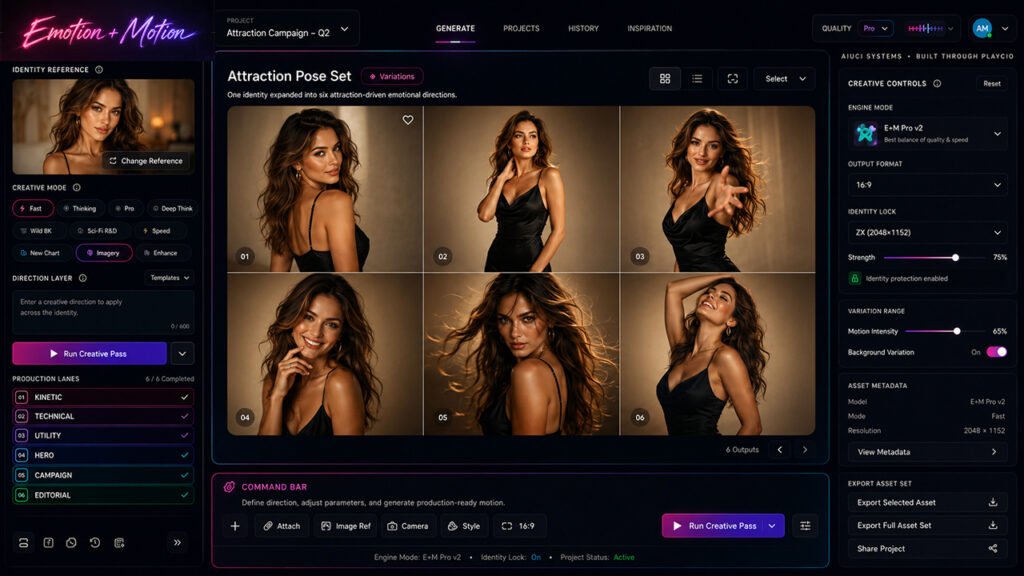
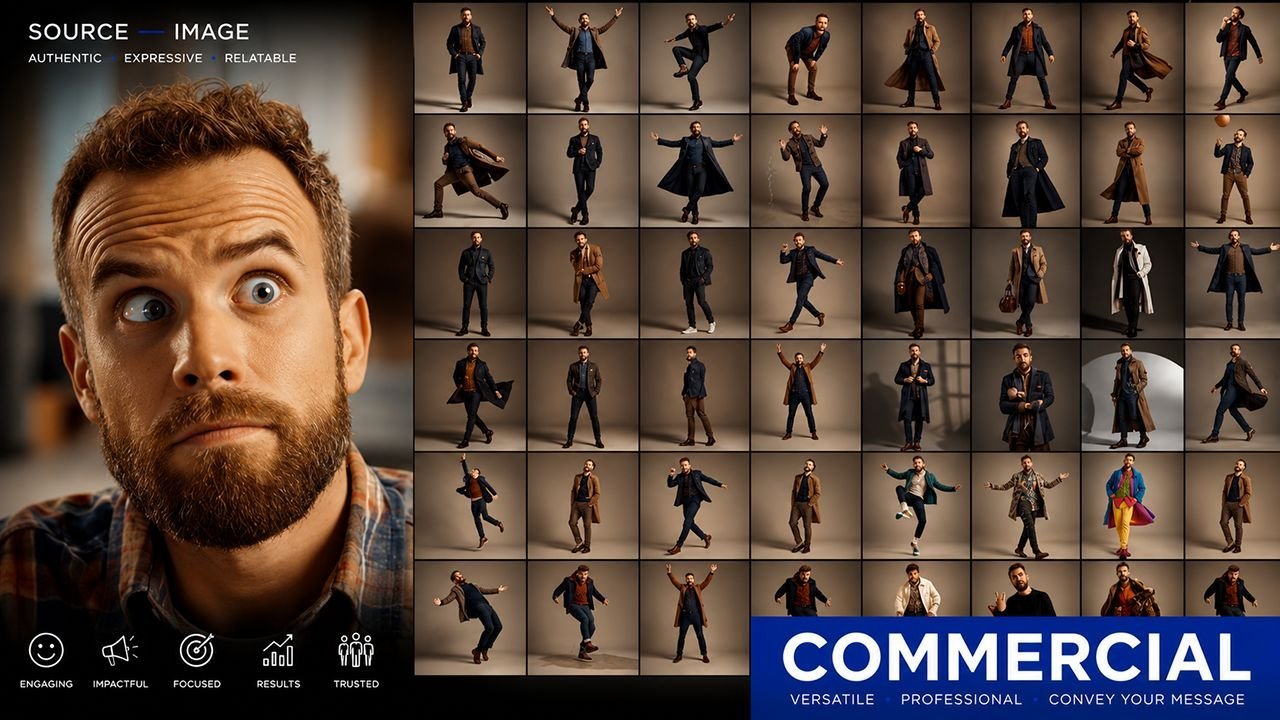
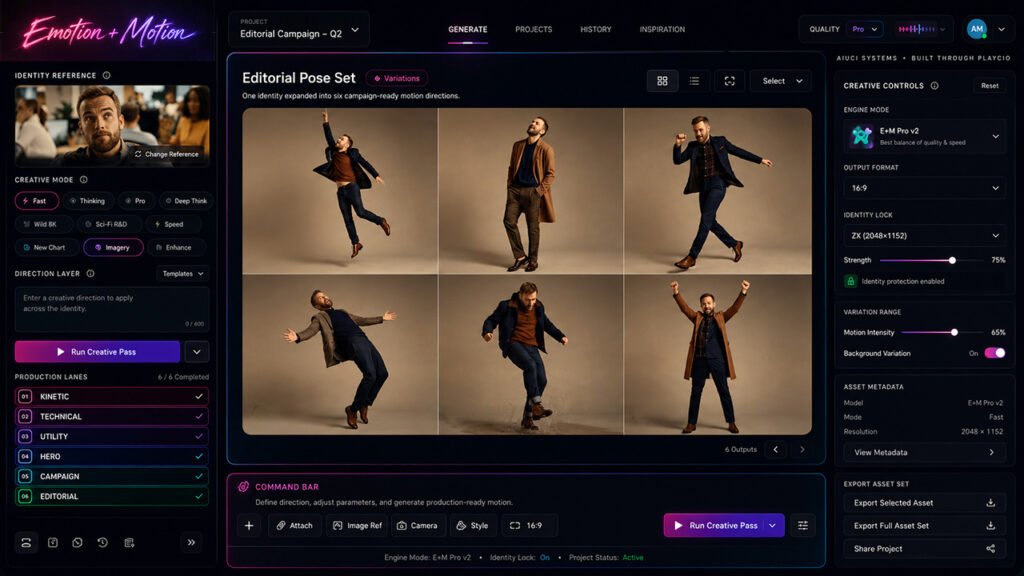
You start with one character. The system pushes it through emotion, motion, posture, camera, and scene. And the character survives all of it.
What the proof shows
The feeling changes. The motion changes. The character holds.
Every take has a reason. Every direction carries the identity with it.
The challenge was never volume. The challenge was keeping the character alive while the range expanded.
Scale
10,560 takes from one character.
220 emotion + motion sets.
48 variations each.
10,560 takes from one character.
The number is not the point.
The point is what happens to the creator.
Before
Hunting for one good result.
After
Deciding which good result to finish first.
Identity holds. Emotion reads. Motion has a reason. And for the first time, the problem is not making something worth keeping.
It is choosing which one to keep first.
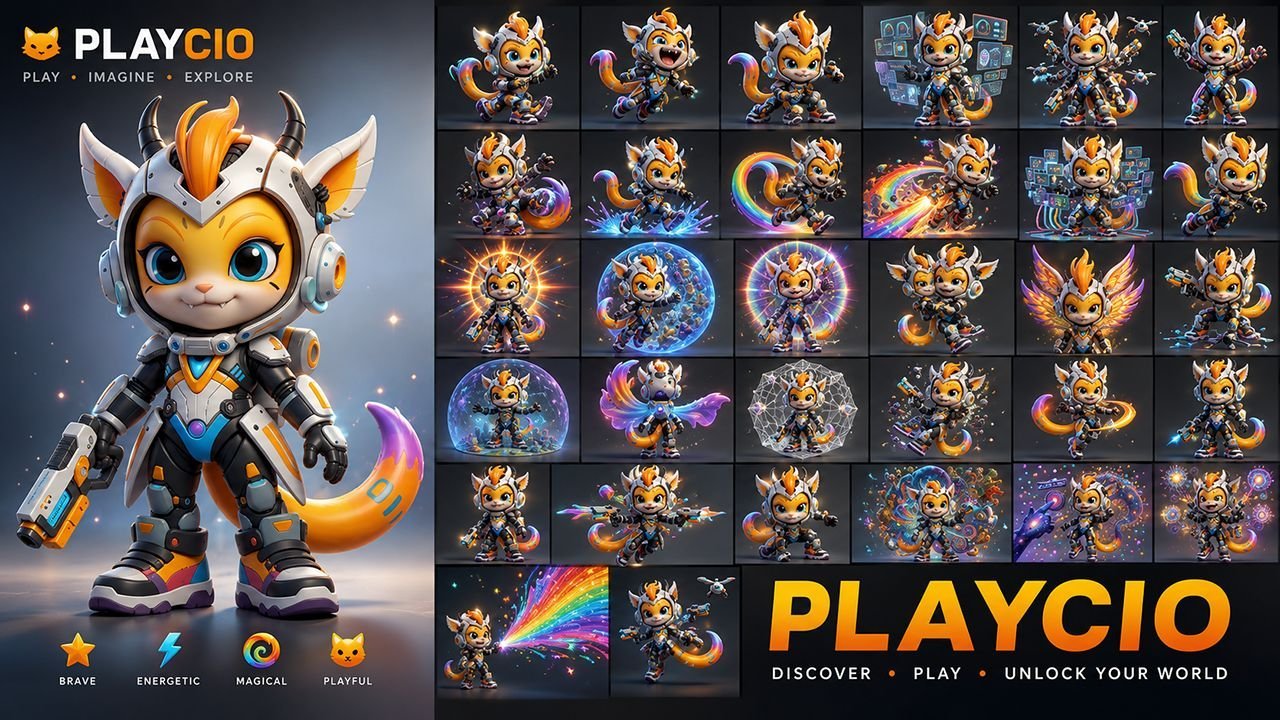
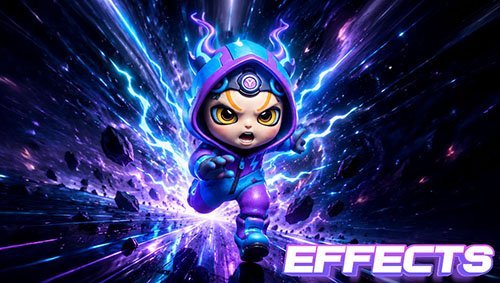
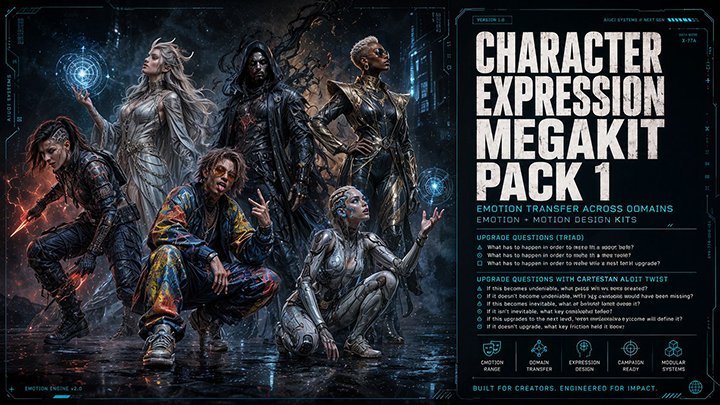
Proof asset: one character pushed through emotional, cinematic, and motion-aware variation.
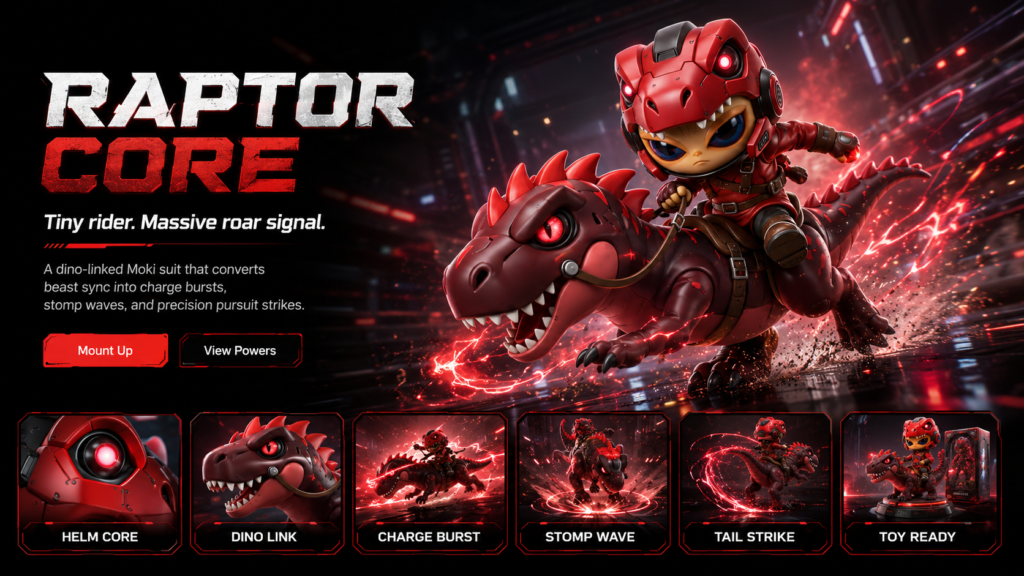
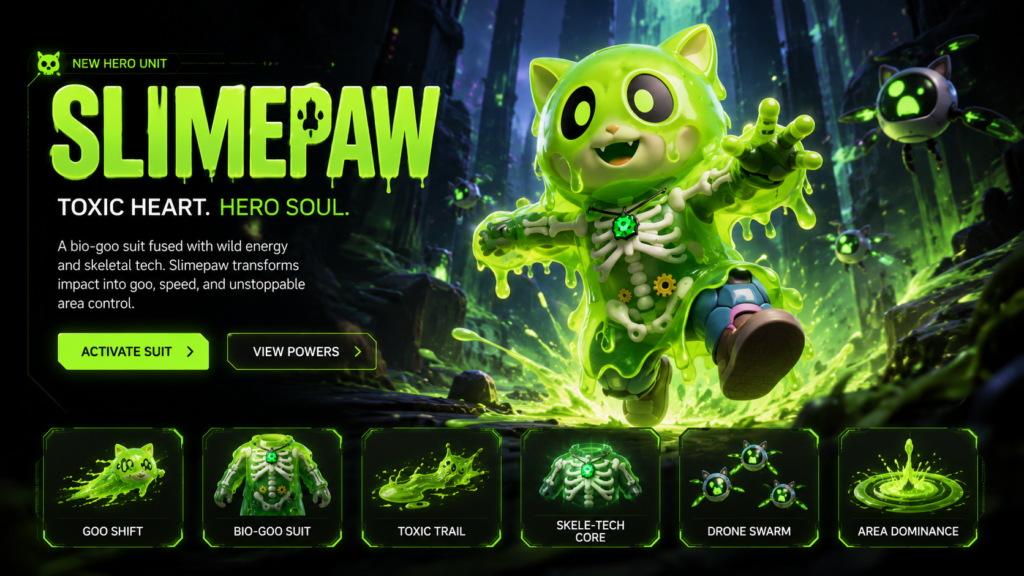
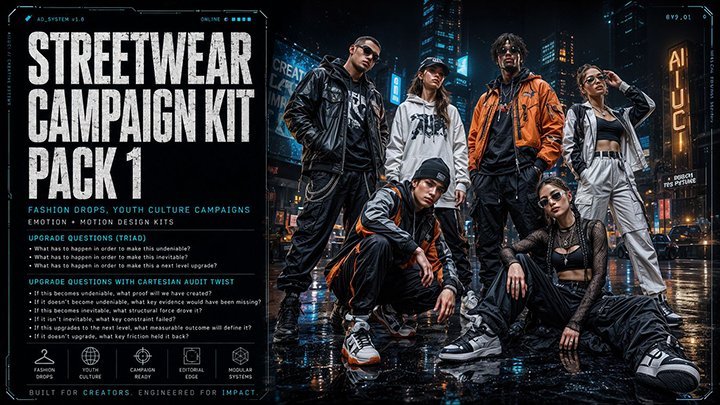
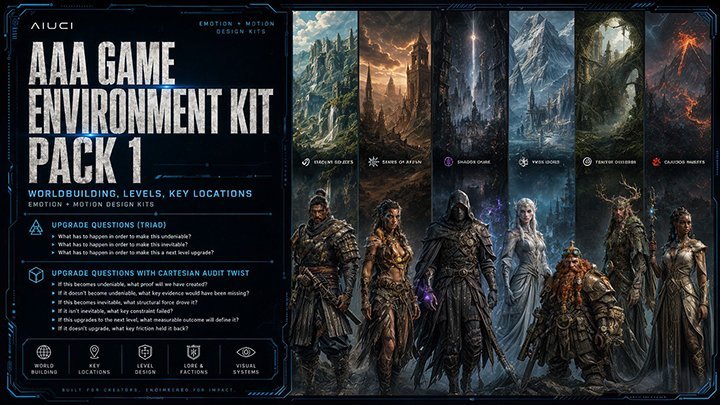
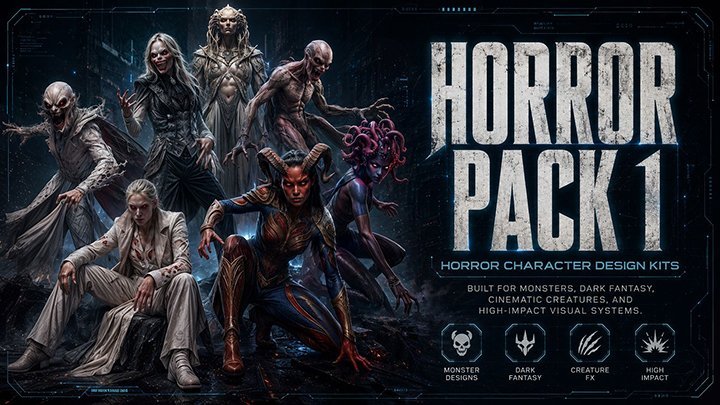
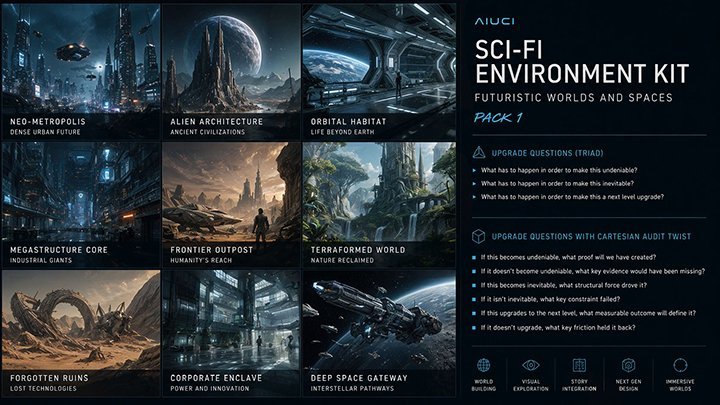
Completed Creative Automation Kits.

Explore the Proof Outputs Below.
How the Creative Automation System Works
Motion + Emotion is not a prompt pack, animation trick, or simple AI wrapper. It's a creative automation architecture that turns one identity into structured cinematic, game, ad, product, and story-world outputs.
Operator Input
The operator selects the kit, identity, output direction, format lane, and variation set through a guided control interface.
Automation Bridge
The bridge queues the job, organizes files, handles automation, and connects the interface to the generation workflow.
Preset Compiler
The compiler reads the kit files, combines identity rules, emotion and motion variables, output categories, and quality logic into a controlled generation payload.
Preserves the source
This layer protects the character, product, mascot, brand, or world DNA so the output stays recognizable as it expands across formats, scenes, and use cases.
Directs the expression
This layer turns emotion, motion, pose, action, style, format, and cinematic intent into structured variables without breaking the core identity.
Controlled production outputs
The system proves I can build automated creative production workflows that preserve identity while scaling variation across ads, videos, product mockups, fashion concepts, game assets, and story content. The result is not random output. It is a repeatable automation architecture with controlled inputs, governed transformation logic, and production-ready creative outputs.
Product Features
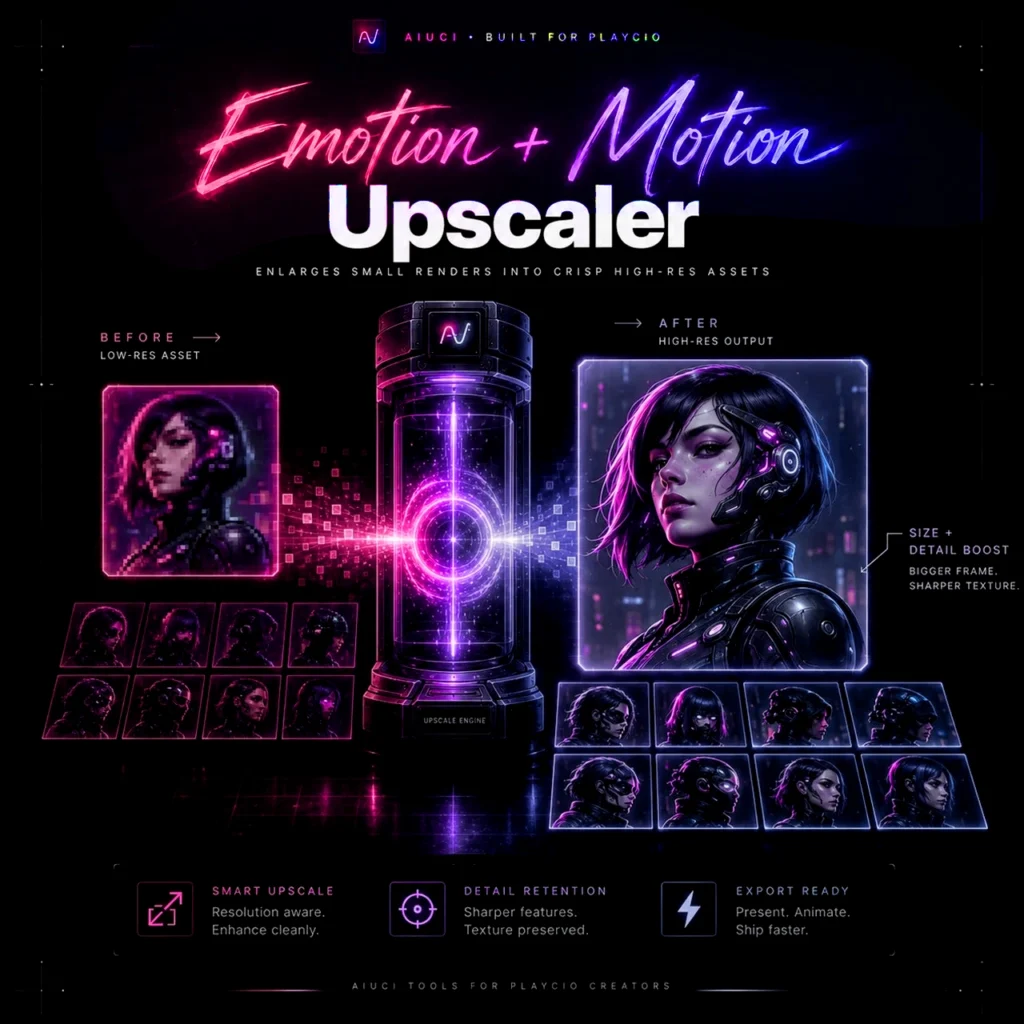
Upscaler - Production-ready resolution and detail control
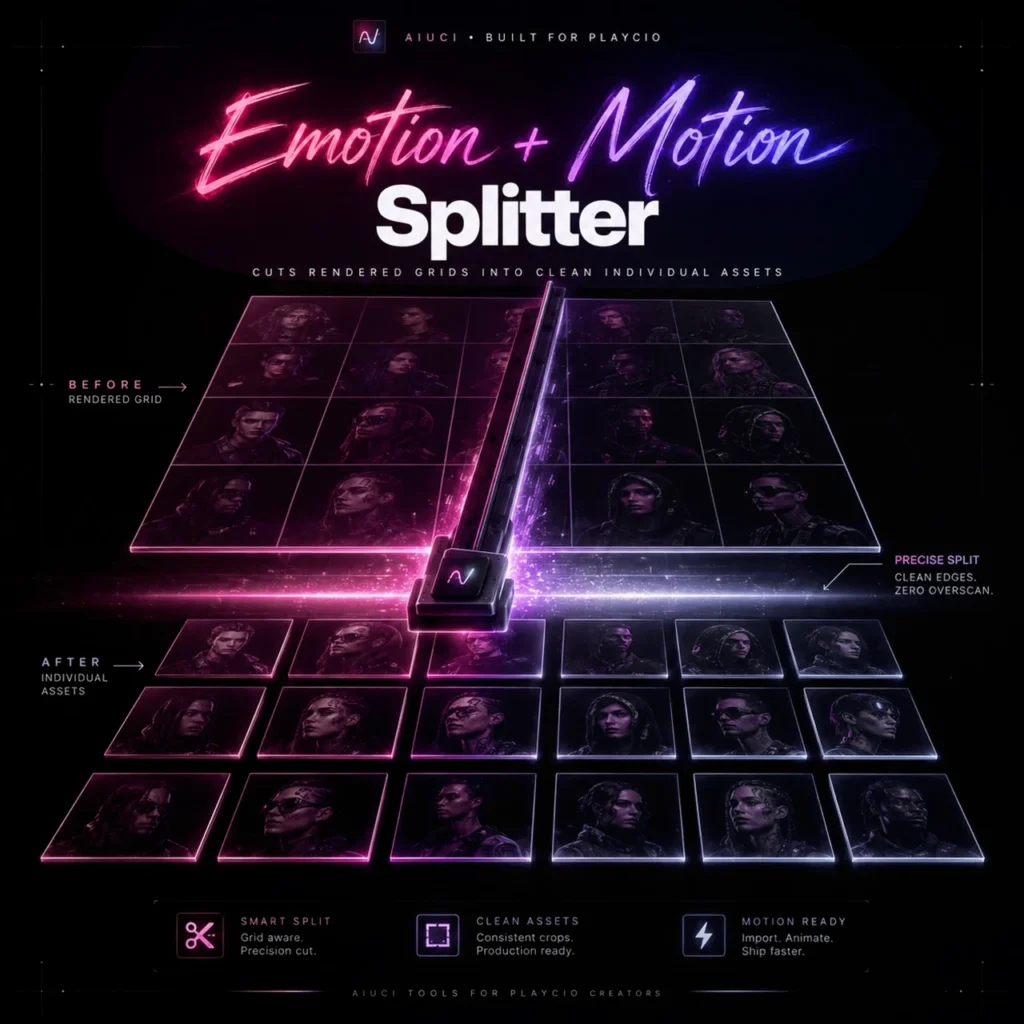
Splitter - Clean asset separation for usable creator workflows
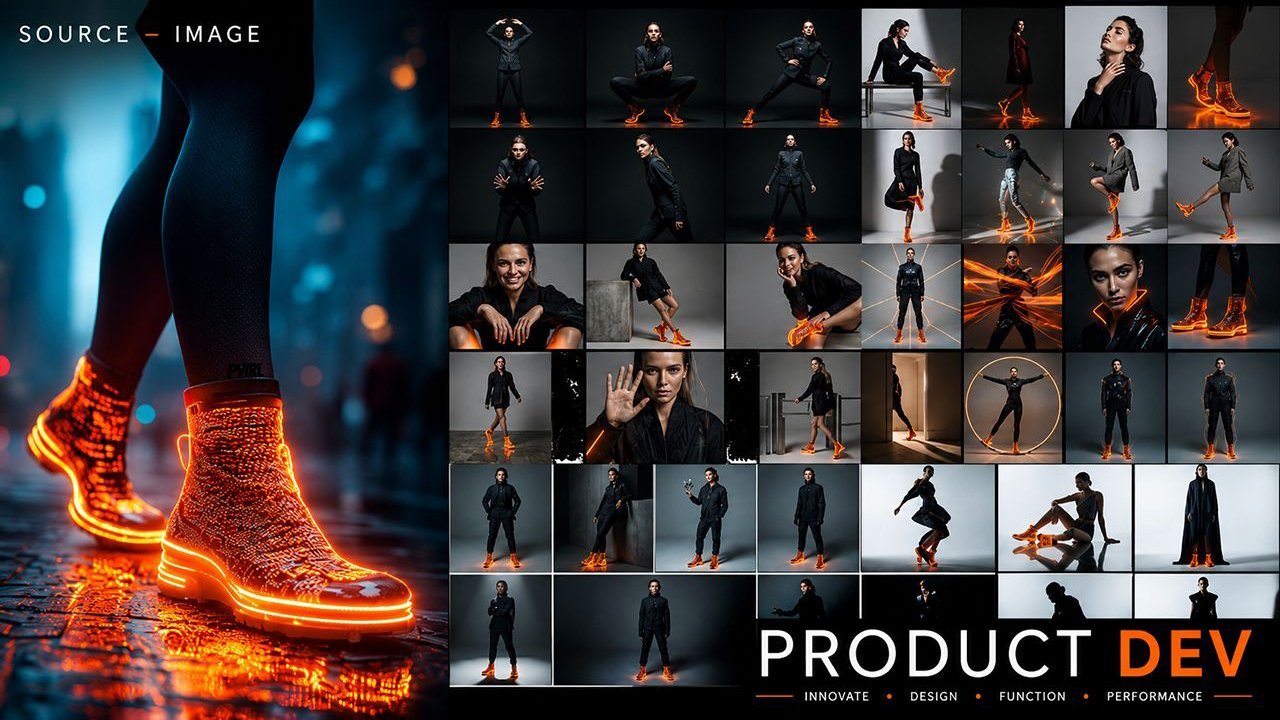
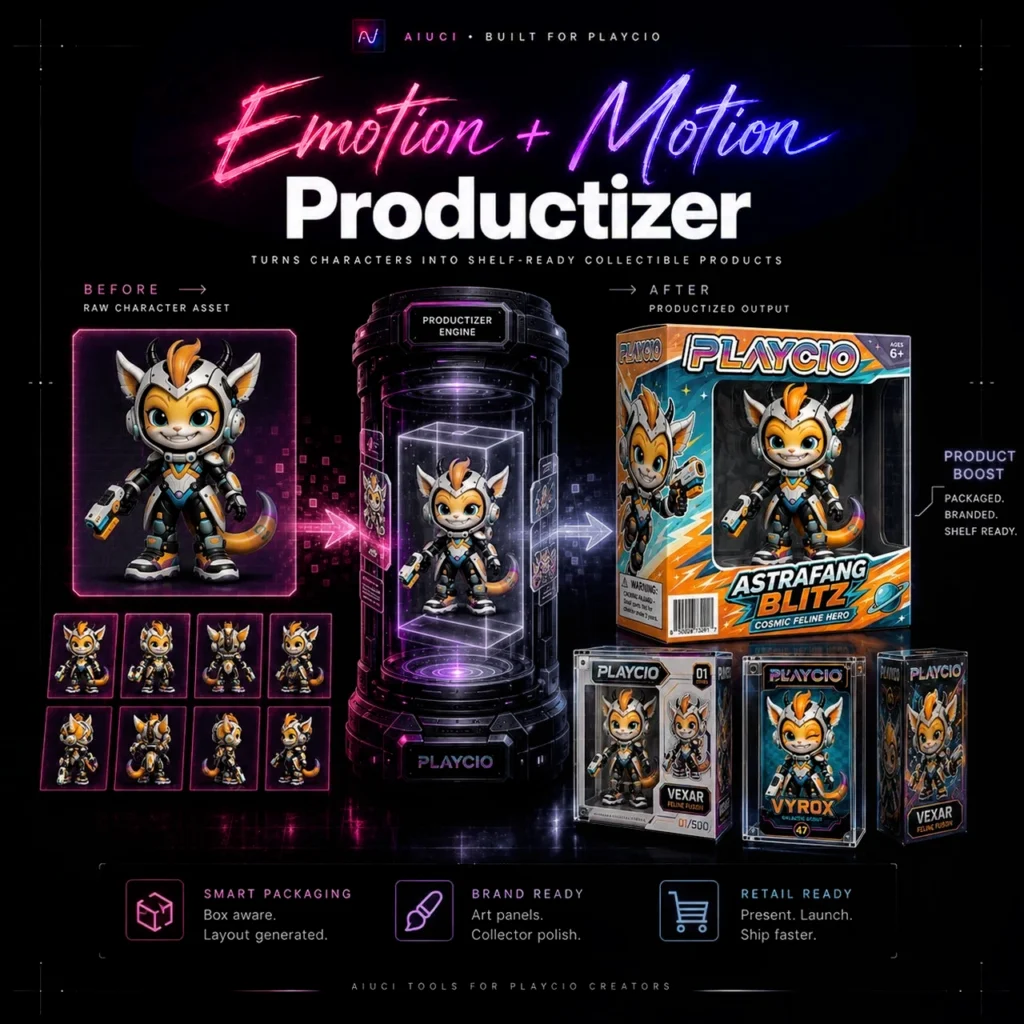
Productizer - Transforms character output into merch-ready product assets
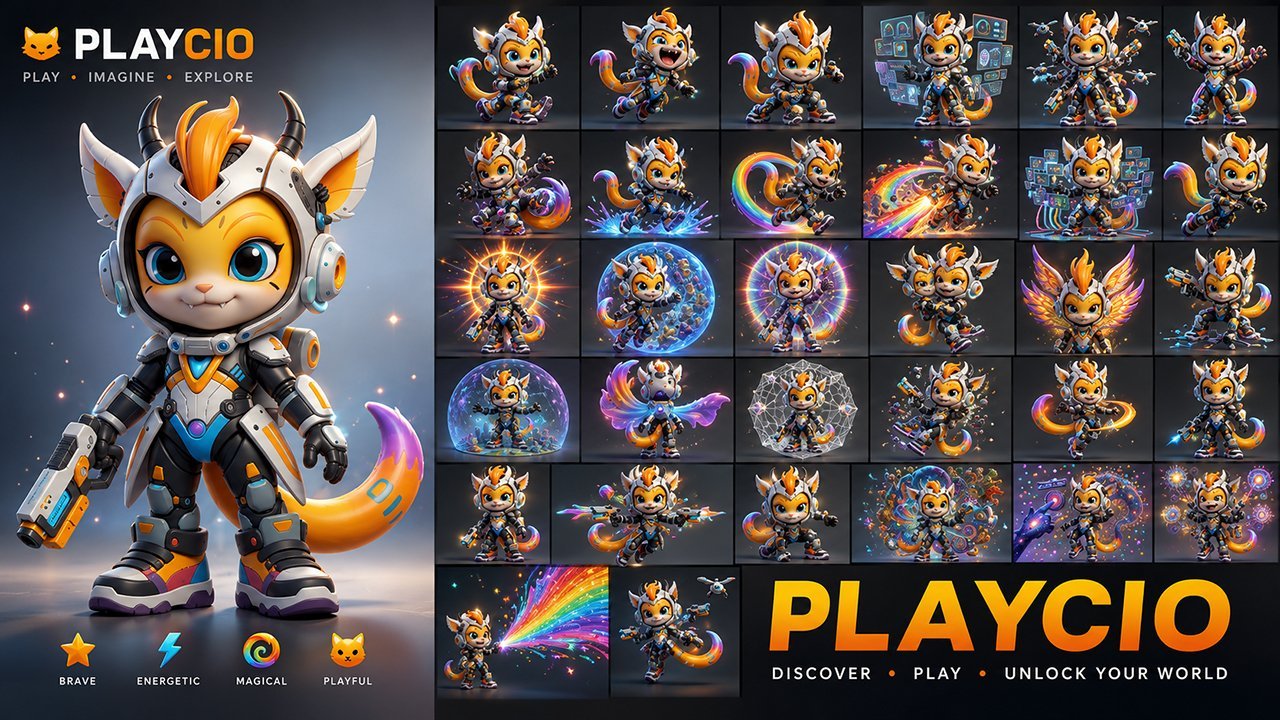
Playcio is where the system proved itself.
A character universe built to test whether automated creative production could preserve identity while scaling emotion, motion, story, cinematic direction, and campaign-ready output.
A creative automation system mapped across production categories.
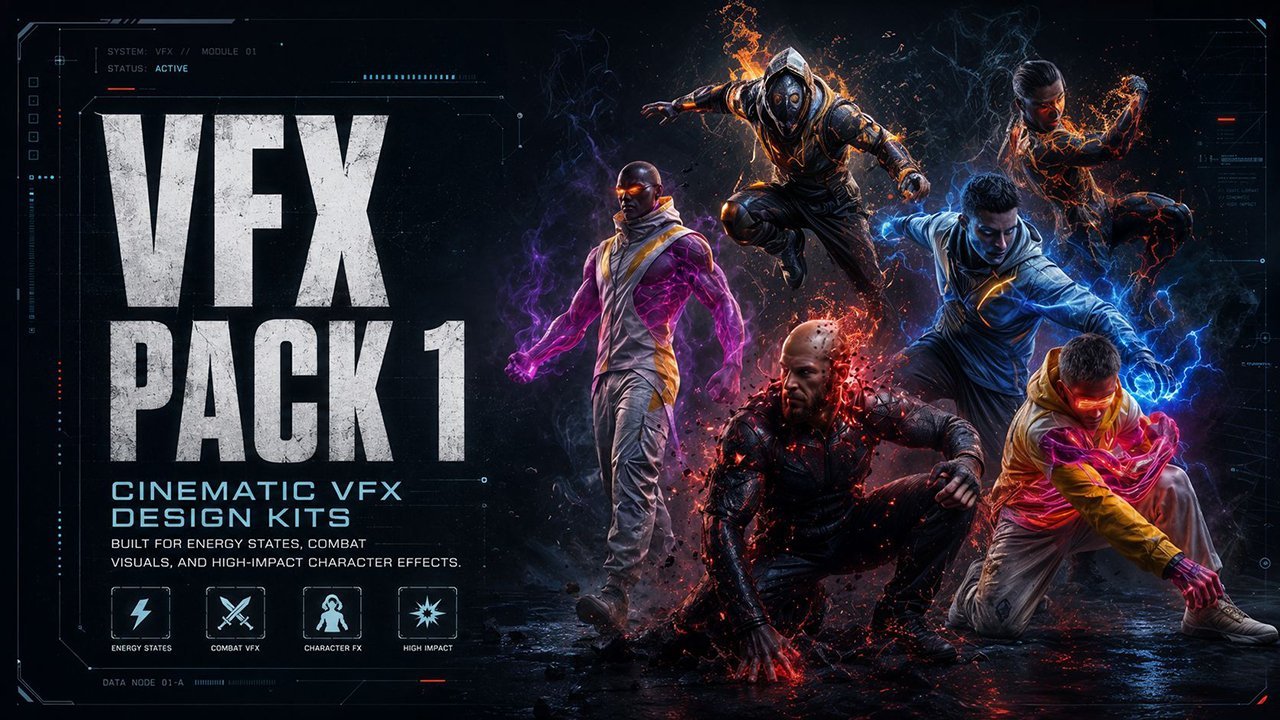
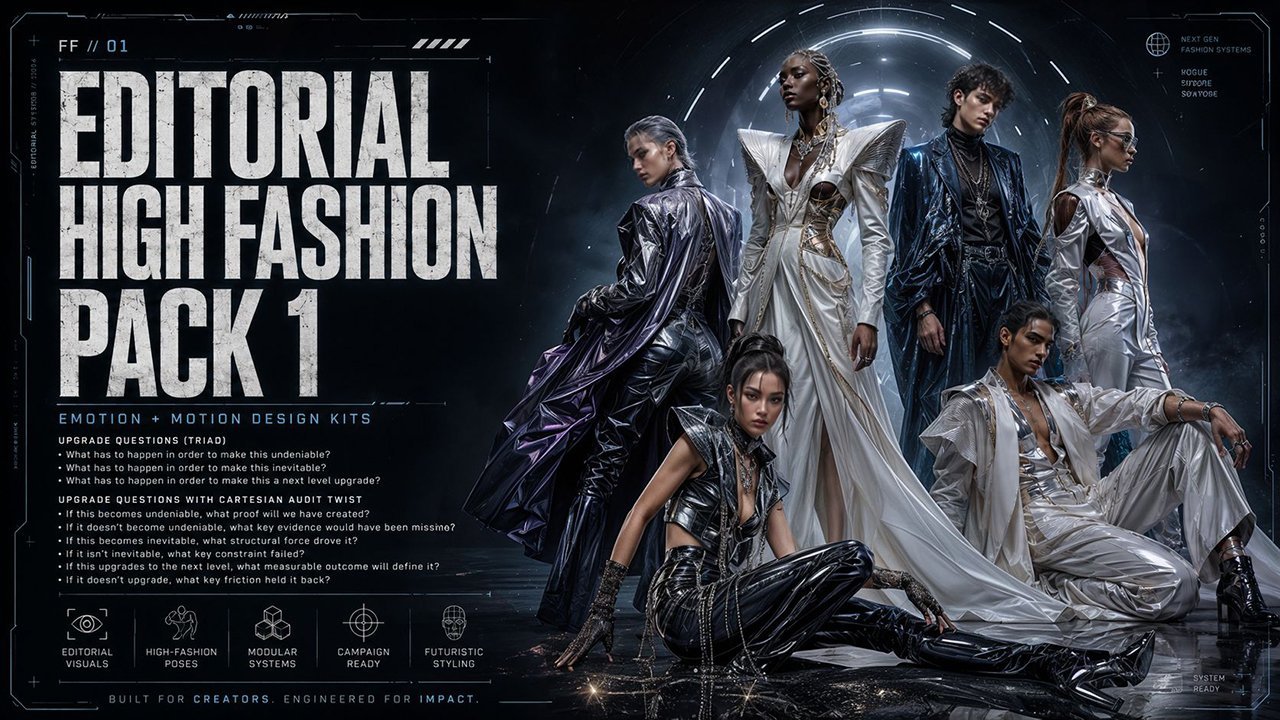
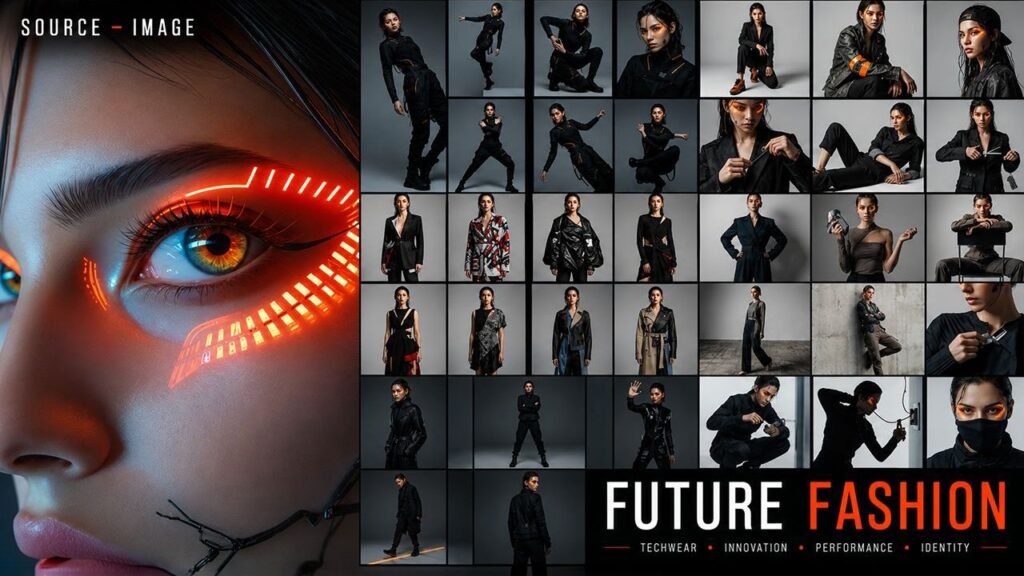
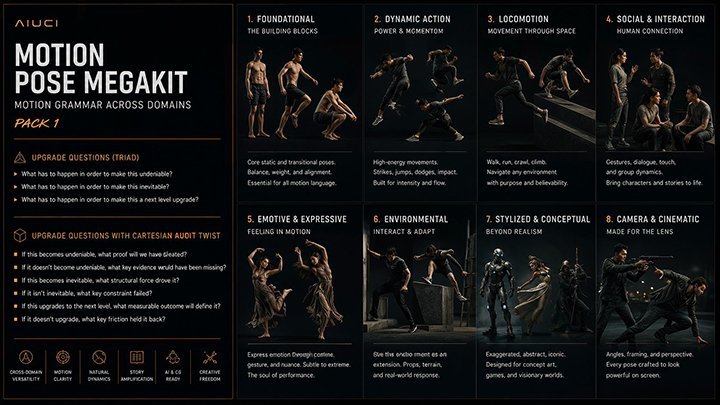
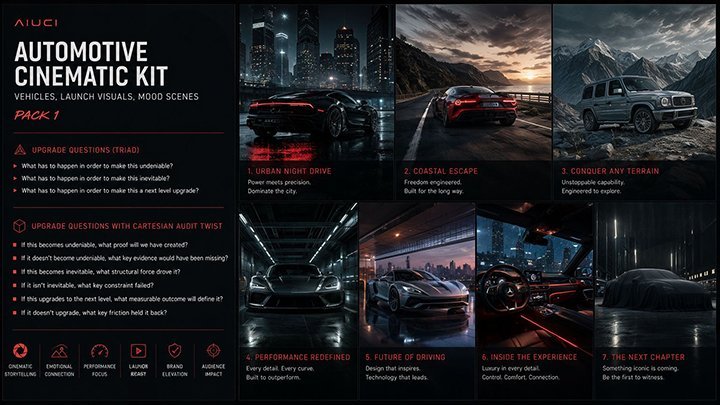
Motion + Emotion was built to prove more than one strong output. It was built to prove that creative direction can be systemized across different production needs: cinematic characters, game worlds, ads, fashion, product visuals, social content, VFX concepts, and campaign assets.
Mapped kits currently in development.